
Sheep Jetting in the Riverina
We're a hands-on rural contracting team with a genuine background in sheep work. From livestock services to equipment supply, we bring real on-farm experience to everything we do.
Since 2002
Family Rural Background
100,000+
Sheep Handled (last 12 months)
Australia-Wide
Equipment Sales
Real On-Farm Experience
Hands-On Product Knowledge
Riverina Based Contractors
Australia-wide Equipment Sales
Flystrike Protection When It Matters Most
When blowfly pressure peaks through spring and summer, sheep jetting is one of the most effective tools available for protecting your flock across the whole body. At Dusty Rural Contracting, we provide professional sheep jetting services to producers across the Riverina, applying chemical protection thoroughly and correctly to give your mob the best defence available during the highest risk periods of the year. Flystrike can move through a mob quickly when conditions are right, and the difference between a well-jetted flock and an untreated one becomes obvious fast when a warm, humid spell sets in.
We carry out our jetting work using quality equipment that we run in our own contracting operations every day, which means we know exactly what thorough coverage looks like in a real yard environment and how to get every animal treated properly rather than just pushed through quickly.
We also supply sheep jetters Australia-wide for producers who want to run their own setup. See our Craigco Sheep Jetters page for details on how to order one for your flock. Call Dusty Rural Contracting today on 0438 789 964.
Frequently Asked Questions
What is jetting sheep?
Jetting applies a chemical treatment through the wool to the skin — usually with a hand-piece or a jetting race — to protect sheep against flystrike and lice. The pressure drives the chemical down into the fleece.
What is the difference between sheep jetting and dipping?
Both jetting and dipping apply insecticide to sheep as protection against external parasites including blowflies and lice, but they differ significantly in method and practicality. Jetting uses a hand-held or race-mounted applicator to direct chemical solution onto specific areas of the sheep, making it well suited to targeted flystrike protection in a yard setting. Dipping involves fully immersing sheep in a chemical solution and provides more complete coverage of the whole fleece, but requires a purpose-built dip and is less commonly used in modern sheep management. Jetting is the more practical and widely used option for most Riverina producers.
How long does jetting protection last on sheep?
The duration of protection provided by sheep jetting depends on the product used, the application rate and the wool length at the time of treatment. Most jetting products provide effective protection for between six and twelve weeks under normal conditions, though this can be reduced by heavy rainfall that washes chemical from the fleece or by significant wool growth that dilutes the concentration of active compound at the skin surface. Reading the product label carefully and planning your jetting program around realistic protection periods for your conditions gives you the most accurate picture of when retreatment will be needed.
Does sheep jetting replace the need for crutching?
Jetting and crutching complement each other as part of a broader flystrike management program and work most effectively when used together rather than as alternatives. Crutching removes the soiled and stained wool that attracts blowflies in the first place, addressing the physical conditions that create strike risk. Jetting then applies a chemical barrier that protects the treated areas against fly strike even when some soiling is present. Relying on jetting alone without keeping sheep crutched through high-risk periods reduces the overall effectiveness of your flystrike management and increases the chemical load needed to maintain adequate protection.
What does jetting protect against?
Mainly flystrike (blowfly maggots in the wool and skin) and often lice — both of which cause serious welfare and production problems if left unchecked.
When should sheep be jetted?
Generally heading into and during the warm, humid fly season, and when sheep are higher risk (long wool, dags, wet conditions).
Send Us a Message
Thank you for contacting Dusty Rural Contracting.
We will be in touch soon.
Please try again later.
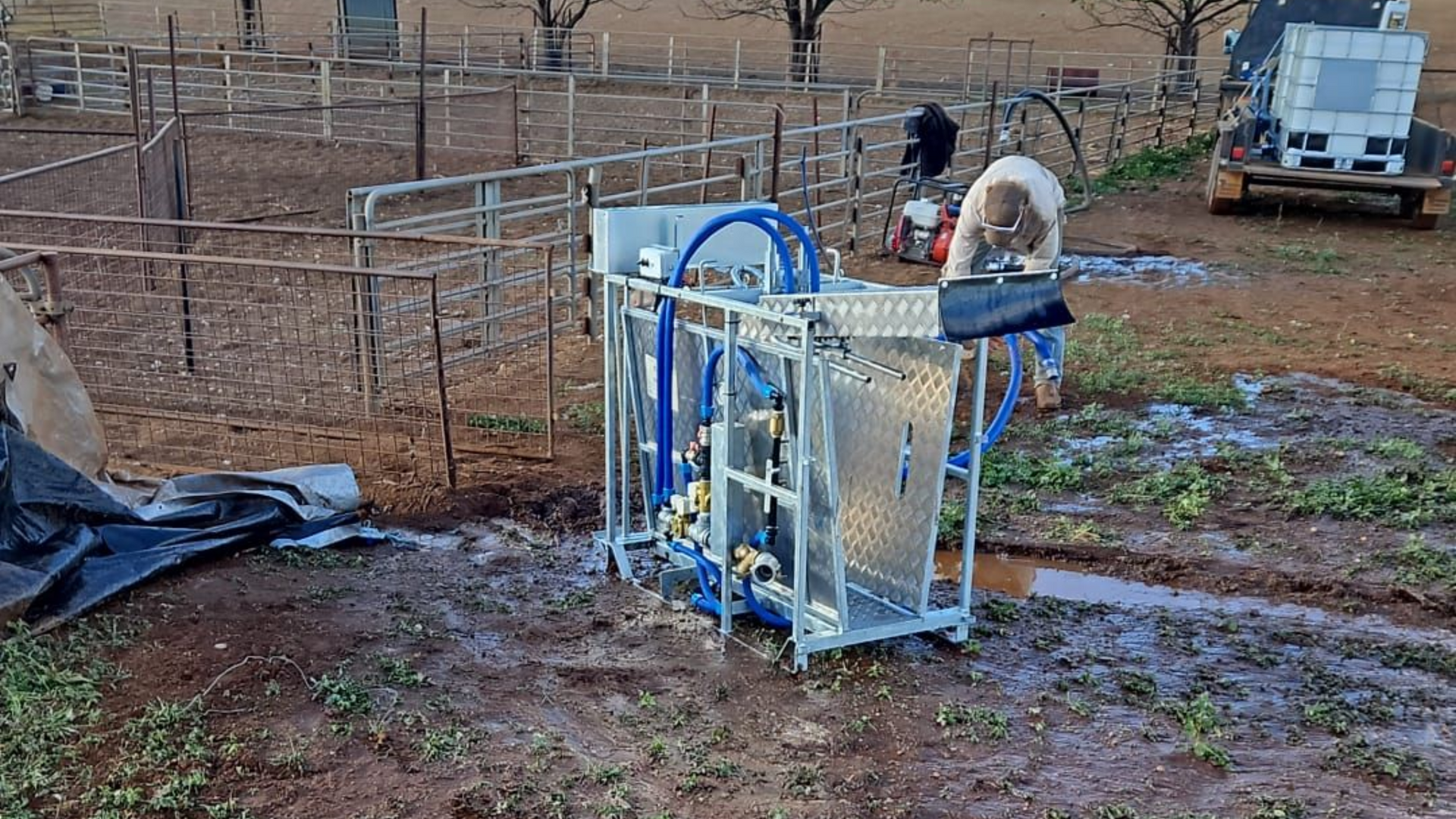
Get Jetting Done Properly
Cutting corners on sheep jetting is a false economy when blowfly pressure is high. A well-run jetting program delivers real protection across your flock:
- Full body coverage applied correctly to ensure chemical protection reaches the areas most at risk
- Efficient processing through the yards to get the mob treated with minimal stress and delay
- Timed application ahead of peak blowfly periods for maximum protection when your flock needs it most
- Works alongside crutching and mulesing as part of a complete flystrike management approach
- Reduces the risk of costly losses and the welfare impact of untreated flystrike in your mob
Getting sheep jetting done properly and at the right time is far less costly than dealing with struck sheep, and a thorough job carried out by an experienced team gives you confidence that your flock is genuinely protected rather than just treated in name only.


