
EID Tags For Sheep in the Riverina
We're a hands-on rural contracting team with a genuine background in sheep work. From livestock services to equipment supply, we bring real on-farm experience to everything we do.
Since 2002
Family Rural Background
100,000+
Sheep Handled (last 12 months)
Australia-Wide
Equipment Sales
Real On-Farm Experience
Hands-On Product Knowledge
Riverina Based Contractors
Australia-wide Equipment Sales
Better Data Means Better Decisions
For sheep producers managing large mobs across multiple lines, having accurate, reliable individual animal data is one of the most practical tools available for improving flock productivity over time. At Dusty Rural Contracting, we provide EID recording and data management services to producers across the Riverina, capturing individual animal information through EID tags for sheep at key management events so your records stay current and useful throughout the season.
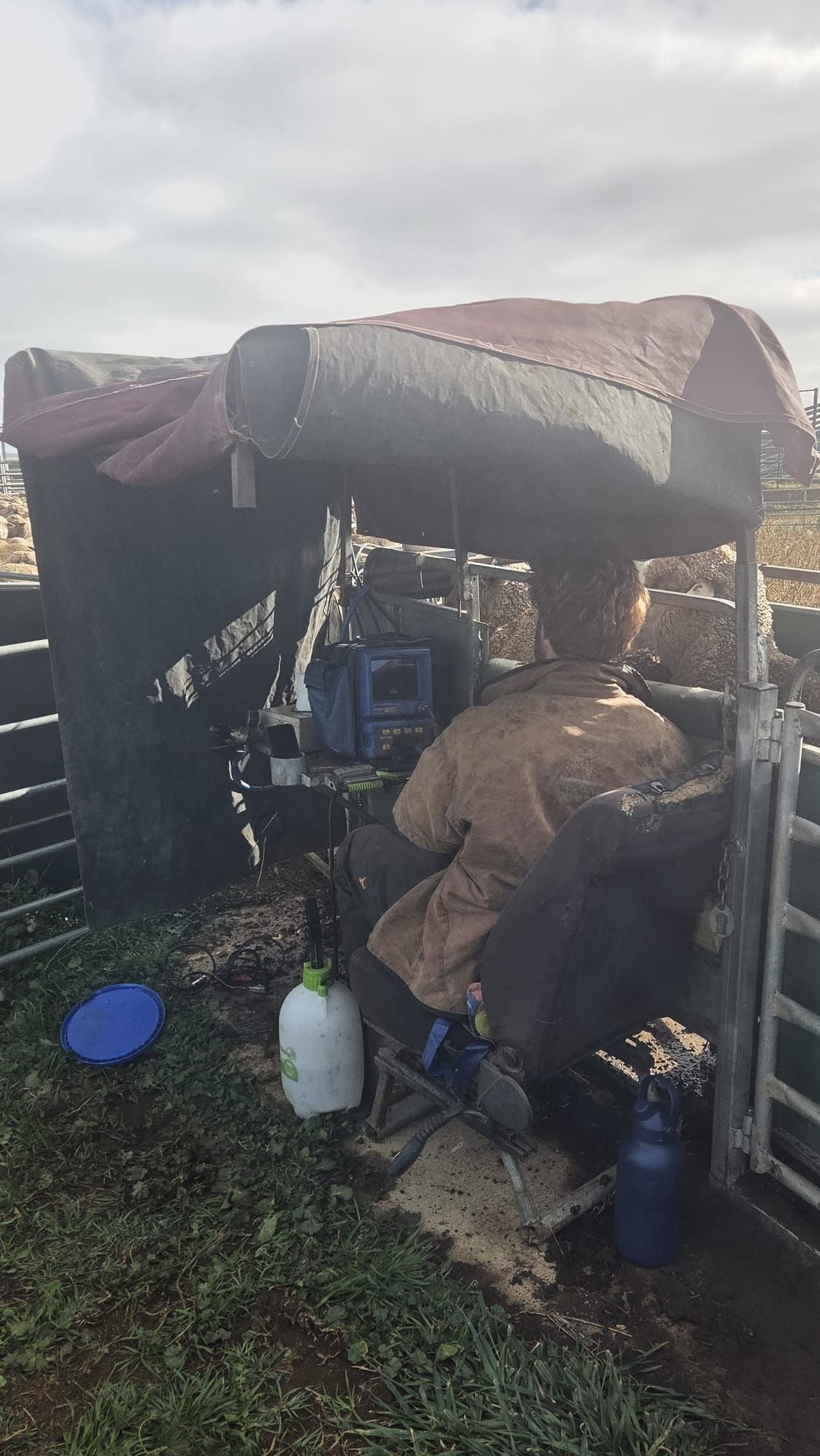
We carry out EID recording alongside our contracting work, which means data is captured efficiently at pregnancy scanning, lamb marking, drenching and other handling events without the need for a separate mustering. Our team understands how to manage the process in busy yard conditions and ensures your data is recorded accurately from the start.
To find out how we can help streamline your flock records, call Dusty Rural Contracting today on 0438 789 964.
Frequently Asked Questions
What information gets recorded during EID scanning?
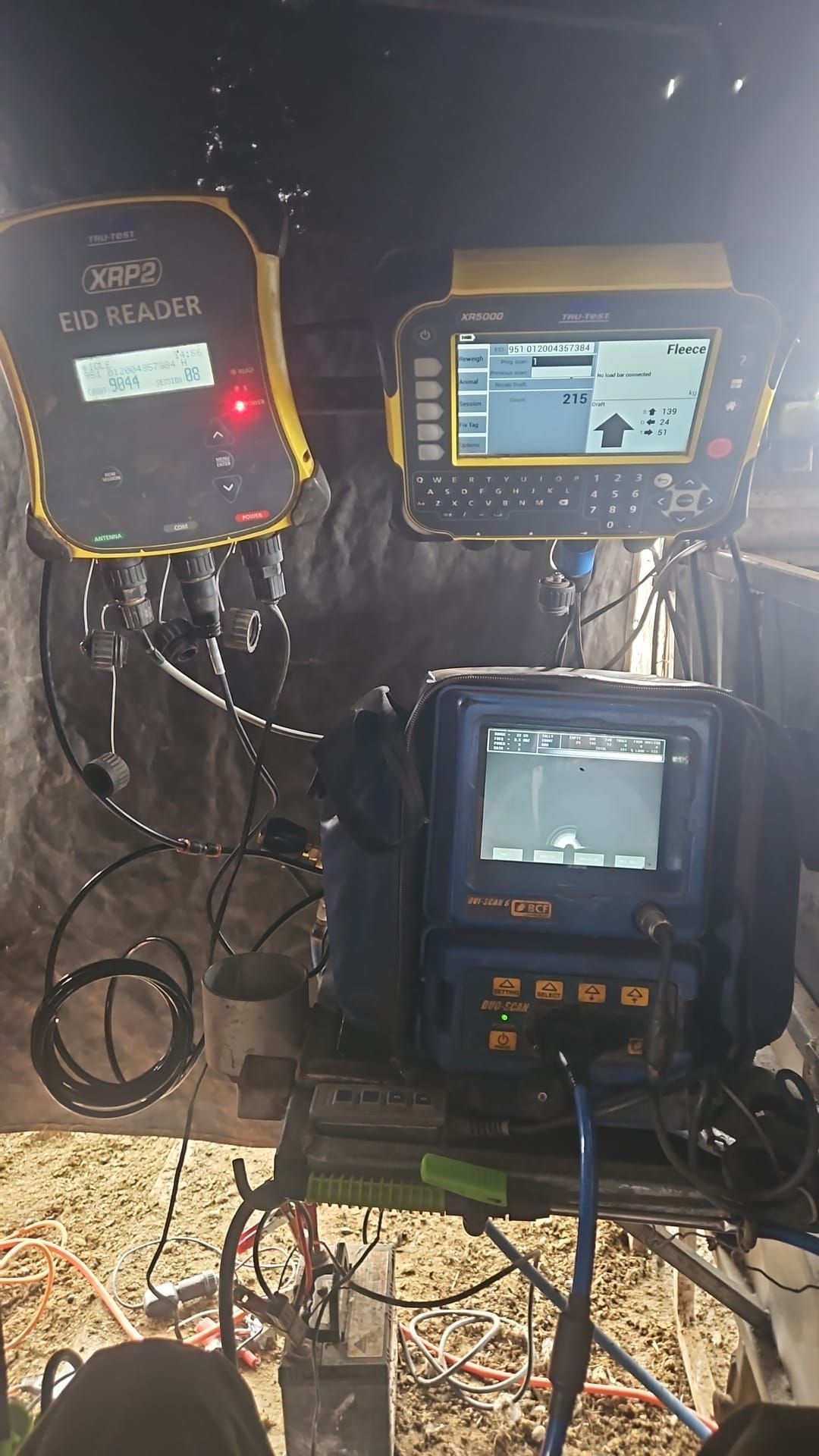
At a minimum, EID recording captures the unique identifier from each animal's electronic tag and links it to the management event taking place, whether that is a pregnancy scan result, a treatment record or a property movement. Depending on the setup and software being used, additional data points such as weight, condition score, pregnancy status and eid tags for sheep details can also be recorded at the same time. The more information captured at each handling event, the more useful the dataset becomes for making management decisions later in the season.
Do I need special equipment or software to use EID data?
To read and record EID data you need a compatible electronic reader, either a stick reader or panel reader depending on your setup and throughput requirements. The data is then managed through livestock recording software, of which there are several options available to Australian producers at varying price points and complexity levels. Your contractor can advise on what works well in practice based on their experience recording data across different properties and systems, which can save a lot of time when it comes to choosing the right setup for your operation.
Is EID recording worth it for smaller sheep operations?
Even for smaller operations, EID recording offers real benefits when it comes to making informed management decisions and meeting traceability requirements. The threshold at which individual animal data becomes genuinely useful varies depending on how actively you use the information, but producers running even modest mob sizes often find that having reliable records on individual animals improves their confidence when making culling, selling and breeding decisions. Starting with EID recording early also means your dataset grows over time, which increases its value considerably as seasons accumulate.
Send Us a Message
Thank you for contacting Dusty Rural Contracting.
We will be in touch soon.
Please try again later.
What EID Data Does for Your Flock
Investing in accurate EID tags for sheep from the start pays dividends across your entire operation. Here is what consistent data management delivers:
- Individual animal tracking across key events including scanning, marking, drenching and movements
- Accurate records that support informed culling, selection and breeding decisions
- Compliance with livestock traceability requirements without the burden of manual record keeping
- The ability to identify and monitor the performance of specific animals or lines across seasons
- Data captured on the job during regular contracting visits, keeping your records current without extra handling
The value of good EID data builds over time. The more consistently it is recorded across management events, the more useful it becomes for identifying trends, improving flock genetics and making better decisions at every stage of the production cycle.


