Sheep Drenching & Vaccinating in the Riverina
We're a hands-on rural contracting team with a genuine background in sheep work. From livestock services to equipment supply, we bring real on-farm experience to everything we do.
Since 2002
Family Rural Background
100,000+
Sheep Handled (last 12 months)
Australia-Wide
Equipment Sales
Real On-Farm Experience
Hands-On Product Knowledge
Riverina Based Contractors
Australia-wide Equipment Sales
Protect Your Flock Before Problems Start
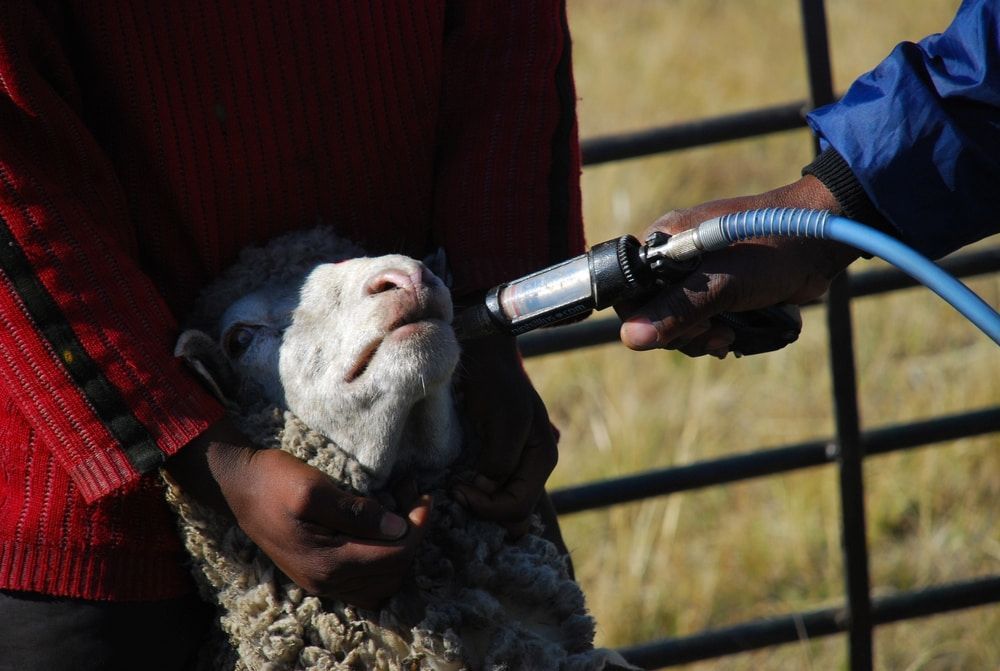
Staying on top of sheep drenching and vaccinating is one of the most straightforward ways to protect flock health and maintain productivity through every season. At Dusty Rural Contracting, we provide drenching and vaccinating services to sheep producers across the Riverina, working alongside producers to keep their flocks healthy and their worm and disease management programs on track.
Sheep drenching carried out at the right time with the right product makes a significant difference to the condition and performance of your mob, particularly through periods of high worm pressure when untreated animals can lose condition quickly. Our team carries out drenching and vaccinating with proper technique and careful animal handling, fitting it efficiently alongside other contracting work to make the most of each time the mob comes through the yards.
To arrange drenching and vaccinating for your property, call Dusty Rural Contracting today on 0438 789 964.
Frequently Asked Questions
How do I know when my sheep need drenching?
The most reliable way to determine when drenching is needed is through regular faecal egg counts, which give you an accurate picture of the worm burden present in your mob at any given time. Drenching based on egg counts rather than calendar dates helps avoid unnecessary treatments and reduces the risk of drench resistance building up in your flock over time. Seasonal conditions, pasture contamination levels and the class of sheep being managed all influence how frequently drenching is likely to be needed across your operation.
What is drench resistance and how do I avoid it?
Drench resistance occurs when a proportion of the worm population in a flock survives treatment because they carry a genetic resistance to the active compounds in the drench being used. It develops gradually through repeated use of the same drench class and is now widespread in sheep producing regions across Australia. Rotating between drench classes, using combination products where appropriate, dosing accurately based on the heaviest animal in the mob and avoiding underdosing are the most practical strategies for slowing the development of resistance in your flock.
Can sheep drenching and vaccinating be done at the same time as other sheep work?
Combining sheep drenching and vaccinating with other handling events such as crutching, EID recording or condition scoring is standard practice on most properties and makes efficient use of the time involved in getting a mob through the yards. Planning the order of work carefully so that each task flows into the next without creating bottlenecks keeps the job moving and minimises the time sheep spend in the yards. Discussing the full scope of work with your contractor before the day ensures the right equipment and personnel are available to get everything done in one well-organised run.
What is drenching sheep?
Drenching is giving sheep a dose of liquid worming treatment, usually by mouth, to control internal parasites. It's a routine part of keeping a flock healthy and productive.
How often do sheep need drenching?
It varies with season, rainfall and worm test results — some mobs need it a few times a year, others less. Best practice is to drench based on worm egg count testing rather than a fixed calendar.
What does drenching protect against?
Internal parasites such as roundworms and barber's pole worm, which cause weight loss, scouring and anaemia. Controlling worms protects growth rates, fertility and overall condition.
When's the best time to drench?
Often around key points like weaning, before lambing, and during high-risk warm, wet conditions — guided by worm egg counts.
Send Us a Message
Thank you for contacting Dusty Rural Contracting.
We will be in touch soon.
Please try again later.
Timed Right, Every Time
Getting sheep drenching and vaccinating done at the right point in the season is just as important as doing it at all. Here is what a well-managed program delivers for your operation:
- Reduced worm burdens that directly improve animal condition, weight gain and fleece production
- Protection against common clostridial diseases through timely and correctly administered vaccination
- Efficient treatment of the whole mob during regular contracting visits to minimise extra handling
- Reduced risk of drench resistance through correct product selection and dosing technique
- Healthier, better conditioned animals heading into the most demanding periods of the year
A consistent drenching and vaccinating program is one of the lowest cost, highest return investments available to sheep producers, and having an experienced team carry it out properly makes a genuine difference to the results you get from it.


